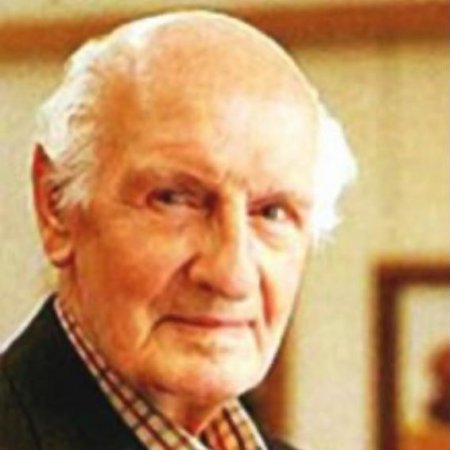
Adnan Varınca
(1918, Istanbul – 2014, Istanbul)
Adnan Varınca is regarded as one of the prominent figures of Republican-era Turkish painting, distinguished by the balance he established between figurative tradition and modernist exploration.
Born in Istanbul, Varınca completed his early education at Saint-Joseph French High School and later at Galatasaray High School (1938). This multilingual and multicultural educational environment can be seen as a formative threshold that shaped the intellectual foundation of his later visual language.
In the same year, he enrolled in the Painting Department of the Istanbul State Academy of Fine Arts, where he studied in the studios of Leopold Lévy and Bedri Rahmi Eyüboğlu, engaging with both Western painting traditions and local modes of expression. Following his graduation in 1948, he made his public debut with his first solo exhibition at the French Cultural Center in Istanbul in 1949.
During the 1950s, Varınca worked as an art teacher in secondary education institutions. In 1956, he moved to Paris, bringing his practice into an international context. This period marks a deepening of both observational realism and a structured understanding of composition in his work. His participation in the exhibition Six Turkish Painters in Besançon became a significant milestone in strengthening his visibility in Europe.
After returning to Turkey in 1973, he continued his work in his own studio. A comprehensive exhibition held at the Istanbul Municipal City Gallery in 1975 offered an opportunity to assess his oeuvre as a whole. Over the course of his career, Varınca held numerous solo exhibitions; in 1980, he shared the Sedat Simavi Foundation Visual Arts Award with Turan Erol, and in 2006, he was honored with a painting award by the Aydın Doğan Foundation.
Adnan Varınca’s practice reflects a figurative sensibility oriented toward nature and everyday life, combined with a disciplined approach to color and composition. His painting represents neither a radical rupture nor a purely traditional continuity; rather, it embodies a balanced and sustained visual thinking established between these two realms.